
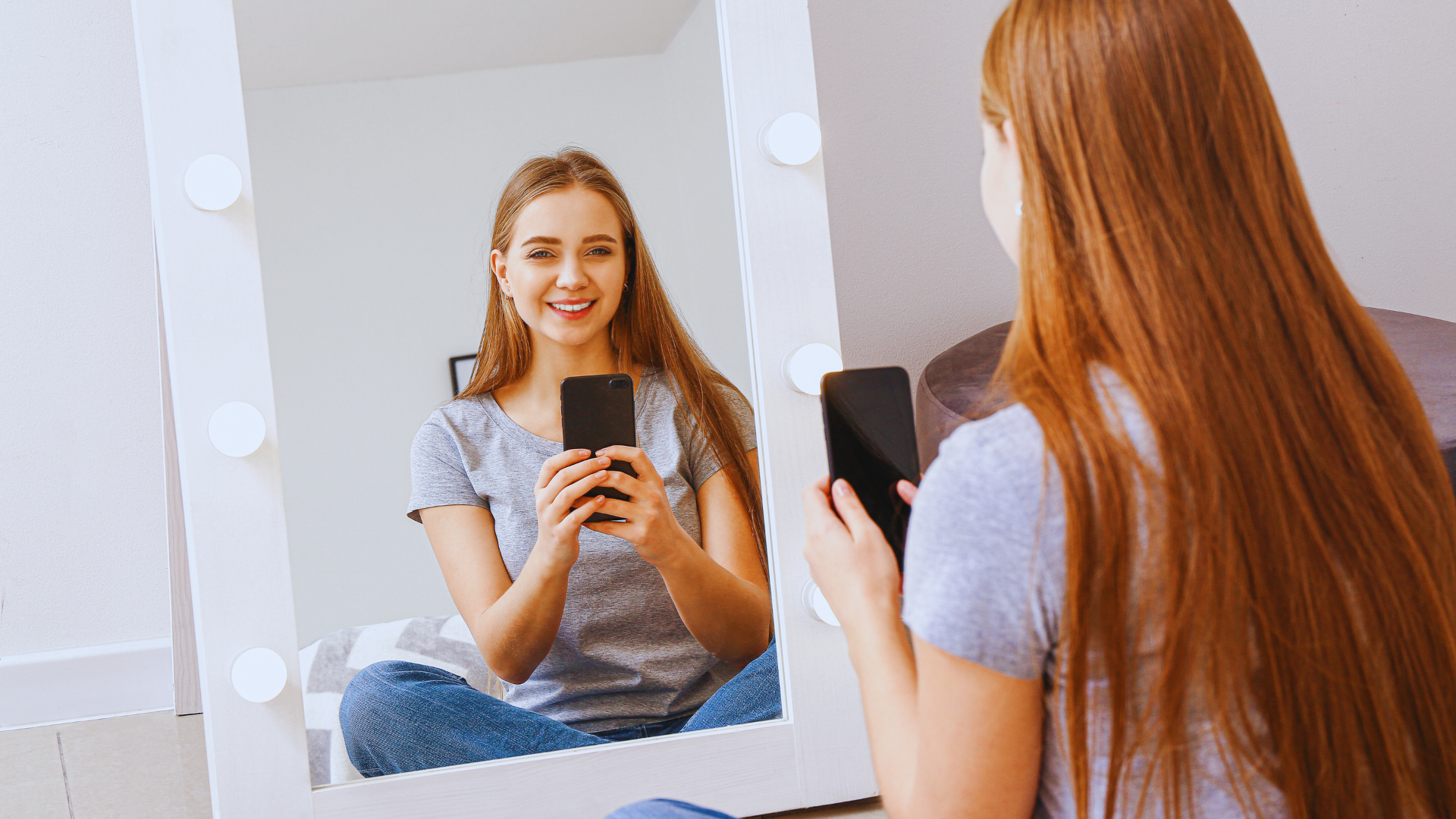
Creative mirror photography offers a unique way to explore and expand artistic expression. By using mirrors, photographers can create visually stunning compositions that challenge traditional perspectives and enhance their storytelling. This technique allows for intriguing reflections, plays on symmetry, and dynamic backgrounds that engage viewers.
Exploring various mirror photography ideas can open new avenues for creativity. From capturing self-portraits with reflections that blend with nature to architectural images where mirrored surfaces interact with urban landscapes, the possibilities are endless. These approaches can transform a simple shot into a captivating visual experience, encouraging innovative thinking in both amateur and seasoned photographers.
Whether seeking inspiration or tips on technical execution, this exploration of creative mirror photography invites readers to see beyond the ordinary. Engaging with reflections not only enhances images but also sparks a deeper relationship with the environment and subjects captured through the lens.
The Basics of Mirror Photography
Mirror photography involves capturing reflections using mirrors to create intriguing compositions. Key elements such as camera settings, lighting, and mirror selection play significant roles in achieving clarity and artistic expression.
Understanding Mirror Photography
Mirror photography leverages the reflective surface of mirrors to enhance compositions. This technique can produce images that challenge perspective and create depth.
It allows photographers to creatively incorporate their subjects within a reflective environment. Using various types of mirrors, such as large mirrors or handheld options, can yield different artistic results. The choice of mirror influences not only the composition but also the story behind the image.
Camera Settings for Clarity
Achieving clarity in mirror photography requires careful manipulation of camera settings. A low ISO setting is generally preferred, ideally between 100 and 400, to reduce noise and enhance image quality.
Adjusting the aperture is crucial; a wider aperture (lower f-number) can produce a shallow depth of field, emphasizing the subject while de-emphasizing distractions.
Shutter speed must also be considered; a faster shutter speed can freeze movement, ensuring sharp images. Balancing these settings will lead to clear and engaging photographs.
Importance of Lighting
Lighting significantly impacts mirror photography. Natural light typically yields softer reflections and is often preferred for outdoor shoots.
When using artificial light, directional lighting can highlight features in the mirror and create interesting shadows. A diffuse light source helps minimize harsh reflections and softens the overall image.
Photographers should experiment with different light sources and angles to find what best enhances their subject and the mirror’s reflection.
Choosing the Right Mirror
The type of mirror chosen can dramatically affect the finish of the photograph. Large mirrors can capture expansive scenes, while smaller mirrors encourage intimacy within the composition.
Consider the mirror shape as well; circular mirrors often create focal points, while rectangular mirrors provide more versatility in framing. Different textures on the mirror surface can add depth and interest to reflections.
Ultimately, the right mirror complements the subject and enhances the overall visual narrative of the photograph.
Composing and Capturing
Successful creative mirror photography relies on thoughtful composition and capturing techniques. Attention to framing, angle, and perspective can significantly enhance the visual impact of mirror images.
Framing the Subject
Effective framing is essential in mirror photography. The subject should be clearly delineated to create a captivating image. He or she can utilize the mirror’s edges to guide the viewer’s eye, ensuring that both the subject and its reflection are balanced.
Tips for Framing:
- Position the subject towards one side of the mirror to create depth.
- Use the natural shape of the mirror to frame the scene.
- Experiment with different distances to find the best view.
These techniques emphasize the interplay between the subject and the reflection, adding layers to the composition.
Using Creative Angles
Angles play a crucial role in shaping the outcome of mirror photography. Shooting from a low or high angle can dramatically alter the perception of both the subject and the reflection.
Approaches to Consider:
- Tilt the camera slightly to introduce dynamism.
- A low angle can amplify the subject’s prominence.
- A high angle can provide a unique view of the reflection.
Experimenting with angles can lead to surprising and dynamic images, capturing the viewer’s attention effectively.
Incorporating Unusual Perspectives
Unconventional perspectives can elevate mirror photography to new heights. By incorporating unexpected viewpoints, he or she can create intrigue and engage the audience’s curiosity.
Methods to Explore:
- Use extreme close-ups to emphasize texture or detail.
- Capture reflections from oblique angles instead of direct ones.
- Consider using multiple mirrors to fragment the image.
These perspectives challenge viewers’ assumptions about reality, making the photograph more engaging.
Working with Reflections
Reflections serve as the heart of this genre. Understanding how to manipulate them is key to achieving striking images. Control of light, focus, and timing can dramatically affect the outcome.
Key Strategies:
- Pay attention to lighting; softer light can create a dreamy effect.
- Adjust the focal length to ensure both the subject and reflection are in focus.
- Timing is vital; capturing the moment when a reflection is most vibrant can transform the image.
With practice, one can learn to harness reflections to create mesmerizing compositions that resonate with viewers.
Post-Processing Techniques
Post-processing is crucial in enhancing mirror photography, allowing the photographer to refine images and create stunning visual effects. Proper use of editing software can elevate a simple shot into an evocative piece.
Basic Photo Editing Steps
Starting with basic adjustments sets the foundation for a successful edit. Photographers often begin by cropping the image to enhance composition, focusing on the symmetry created by the mirror.
Exposure adjustments ensure the image is neither too dark nor too bright. This can involve modifying the contrast to highlight reflections.
Saturation and vibrance adjustments can make colors pop, especially useful in mirror shots featuring bold subjects. Lastly, sharpening the image brings out details, allowing reflections and textures to stand out.
Enhancing Mirror Images
To intensify the impact of mirror images, specific techniques can be applied. Cloning is vital for removing distractions from the frame. This ensures the focus remains on the subject and its reflection.
Color grading can dramatically transform the mood of the image. This involves adjusting color tones and creating a cohesive aesthetic; warm tones can evoke intimacy, while cooler tones can suggest mystery.
Moreover, adding a slight blur to background elements can help further isolate the subject in the mirror, emphasizing clarity in reflections.
Creating Atmosphere in Post-Processing
Adding atmosphere significantly influences the emotional weight of mirror photography. Photographers can experiment with effects like vignetting to draw attention to the subject. This creates a natural frame around the image.
Incorporating textures can add depth; overlays of grain or light leaks can produce a vintage feel.
Additionally, adjusting lighting through techniques like dodge and burn can enhance contrasts and direct viewer focus onto important aspects of the photo. This method highlights both the subject and its reflection, creating a dynamic visual story.
Special Techniques and Ideas
This section explores various techniques and ideas in creative mirror photography, offering insights into self-portraits, abstract styles, and the use of both traditional and unconventional mirrors.
Self-Portraits and Mirror Selfies
Self-portraits using mirrors create intimate reflections of the photographer’s identity. By using different angles, subjects can capture not just their faces but also the surrounding environment, adding layers to the image.
Lighting plays a crucial role. Soft, diffused light enhances skin tones and minimizes harsh shadows. Experimenting with backlighting can provide a glowing effect, creating captivating silhouettes.
In addition to traditional mirrors, handheld mirrors are great for unique perspectives. They allow for intricate compositions and can introduce the surroundings into the frame. Utilizing props also engages viewers and adds depth to mirror selfies.
Exploring Abstract Portraits
Abstract portraits create a unique narrative, often focusing on shapes, colors, and reflections rather than clear facial features. Using mirrors in non-traditional ways can generate unexpected results.
Incorporating multiple mirrors can create intriguing layers. This method distorts the subject’s features, leading to a captivating interplay of reflections. Combining these techniques with color gels can further enhance the visual impact, introducing bold hues to the composition.
For added complexity, a combination of movement and mirrors can create dynamic images. Subjects can change their positions or incorporate movement with their hands to further abstract the image.
Beyond Self-Portraiture: Product and Beauty
Mirrors are valuable tools in product and beauty photography. They not only serve to showcase items but also reflect their textures and details. This technique can add depth to mundane product shots, turning them into eye-catching imagery.
For beauty photography, using mirrors to reflect the model can highlight specific makeup features. This can include reflections of applied products or tools, showcasing the artistry involved.
Experimenting with the size and shape of mirrors opens new avenues for creativity. A small, broken mirror can act as an accent, creating fragmented reflections that intrigue viewers and draw attention to details.
Utilizing Broken and Handheld Mirrors
Using broken and handheld mirrors presents exciting opportunities. Broken mirrors can add texture and a sense of imperfection to photographs, enhancing the artistic approach.
In handheld mirror photography, the flexibility allows for spontaneous creativity. Photographers can frame images in real-time, capturing reflections of landscapes or urban environments alongside the subject.
Layering broken mirror pieces can create dynamic and multifaceted compositions. This technique emphasizes the contrast between chaos and beauty, often resulting in striking photographs. Both methods challenge perceptions of symmetry and composition, pushing the boundaries of traditional photography.
