
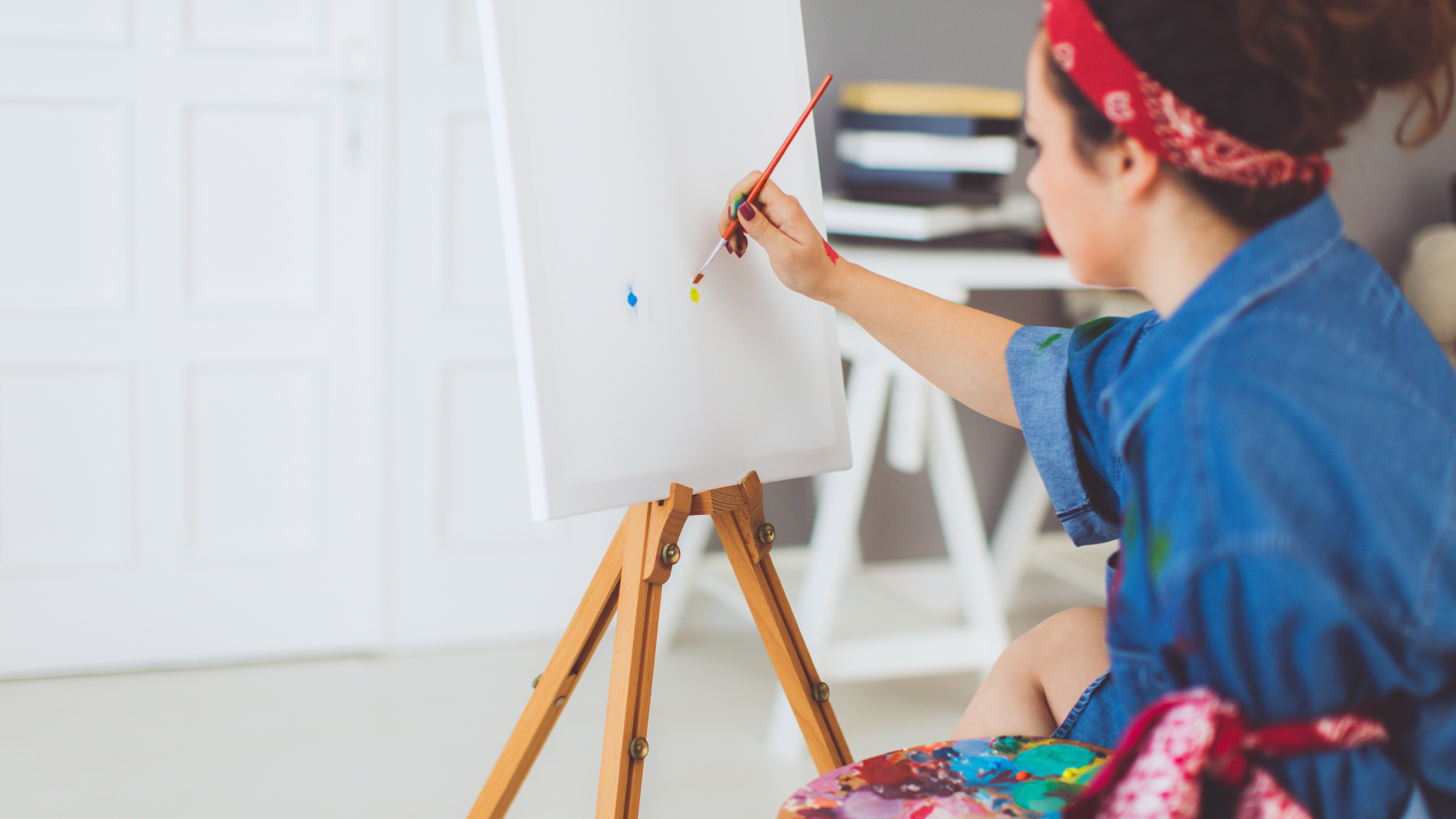
Experiencing artistic block can be frustrating, leaving individuals feeling uninspired and stuck. Engaging in targeted exercises can help reignite creativity and spark new ideas. Simple techniques such as free writing, rapid sketching, or even changing one’s environment can provide fresh perspectives and stimulate the creative process.
Finding inspiration often requires stepping out of one’s comfort zone. Experimenting with unfamiliar mediums or styles can unlock hidden potential and lead to unexpected results. Many artists benefit from collaboration or seeking feedback from peers, which can serve as a motivating force and a source of new ideas.
Ultimately, overcoming artistic block is about taking proactive steps towards reinvigorating creativity. By incorporating structured exercises into their routine, artists can break free from stagnation and rediscover their passion for creation.
Understanding Artistic Block
Artistic block can manifest in various ways, impacting creativity across different mediums. Recognizing its causes and the psychology behind it can help individuals navigate through these challenging periods.
Common Causes of Art Block
Art block may arise due to a variety of factors. Perfectionism can paralyze the creative process, leading artists to avoid starting projects or completing them. This desire for flawlessness often stifles expression.
Self-doubt plays a significant role as well; an individual may question their talent or ideas. This uncertainty can be heightened by previous negative feedback or comparisons to others.
Anxiety and the fear of failure can further exacerbate artistic block. These emotions create a mental barrier, making it difficult for one to engage in creative activities.
Additionally, external pressures and demanding deadlines can diminish motivation, leaving little room for the creative process.
Psychology Behind the Creative Block
The psychology of artistic block often involves complex emotional patterns. Negative self-talk contributes significantly to this phenomenon, influencing thoughts and actions. An artist may tell themselves they are not good enough, which can inhibit creativity.
Engaging in mindfulness practices can counteract these negative thought cycles. By focusing on the present moment, individuals can alleviate anxiety and reduce pressure, allowing creativity to flow more freely.
Moreover, the focus on the process rather than the final product shifts the emphasis away from potential failure. Embracing the idea that creativity is a journey can foster a healthier mindset, sparking new ideas and reducing self-imposed limitations.
Strategies to Overcome Artistic Block
Finding ways to break through artistic block involves a combination of exercises, changes in environment, and self-care strategies. These methods can reignite creativity and foster motivation, allowing artists to explore their full creative potential.
Engage in Creative Exercises
To stimulate creativity, artists can focus on specific exercises. Keeping a sketchbook encourages consistent practice. In it, they can draw daily, even if the results feel subpar. Embracing imperfection allows individuals to experiment without the pressure of perfectionism.
Brainstorming techniques can help as well. For instance, artists might list themes or subjects they wish to explore. This activity often leads to unforeseen inspiration. Additionally, trying new mediums, such as digital art or collage, can offer fresh perspectives.
Meditation can also be beneficial. This approach helps clear mental clutter, allowing thoughts to flow freely. Even a few minutes of focused breathing can rejuvenate the mind.
Shift Your Environment and Routine
Changing one’s environment can provide new stimuli. Moving to a different workspace, such as a café or park, can spark new ideas. Natural light and sounds can enhance creativity and reduce stress.
Routine plays a crucial role in creativity, too. Regular breaks are necessary; stepping away for a brief walk allows the mind to reset. Engaging in physical activity, such as yoga or exercise, increases energy levels and motivation.
Artists should also consider altering their daily schedules. Setting aside designated times for creative work can reinforce commitment. This structured approach fosters a sense of discipline, enabling them to tackle artistic challenges with renewed focus.
Nurture Your Creative Mind
Self-care is essential in overcoming artistic block. Artists should prioritize mental and physical well-being. Regularly engaging in hobbies outside of art can be refreshing and invigorating.
Taking adequate rest is important. Recognizing when to step back ensures artists do not push through fatigue. This break often leads to unexpected bursts of creative inspiration.
Practicing mindfulness techniques adds another layer of support. Simple practices, like journaling about personal experiences or self-portraits, can unlock deeper creative insights. Such activities encourage artists to reconnect with their thoughts and feelings.
Finding Inspiration and Motivation
Inspiration and motivation are vital for overcoming artistic block. Exploring new techniques and reconnecting with personal creative flow can reignite passion for art. The following sections outline specific strategies to achieve this.
Expand Your Artistic Horizons
Exploring diverse art forms can significantly enhance creativity. Engaging with various mediums—such as painting, sculpture, or digital design—can introduce fresh perspectives. It is beneficial to attend workshops or watch online tutorials to learn new techniques.
Networking with other artists provides opportunities for collaboration. He or she can exchange ideas, receive constructive feedback, and ask questions about different approaches. Visiting art galleries or exhibitions can also spark new thoughts and motivate artistic practice.
Listening to music that resonates can evoke emotions and inspire new concepts. Incorporating different sensory experiences into the creative process opens pathways for innovative thinking. Embracing unfamiliar styles or themes can lead to exciting discoveries.
Reconnect with Your Creative Flow
Self-talk plays an essential role in maintaining motivation. Positive reinforcement can help an artist to focus on progress rather than perfection. Establishing a routine that emphasizes the process rather than the outcome encourages a healthy mindset.
Regular practice is crucial for sustaining creativity. Setting aside dedicated time for art allows for exploration without pressure. Experimenting with different prompts or themes can provide direction and stimulate new creative ideas.
Mindfulness techniques, such as meditation or journaling, can facilitate a deeper connection with one’s artistic self. This practice can help clarify thoughts and reduce fear of failure. Engaging in playful experimentation can further enhance creative flow, allowing art to bloom naturally.
