
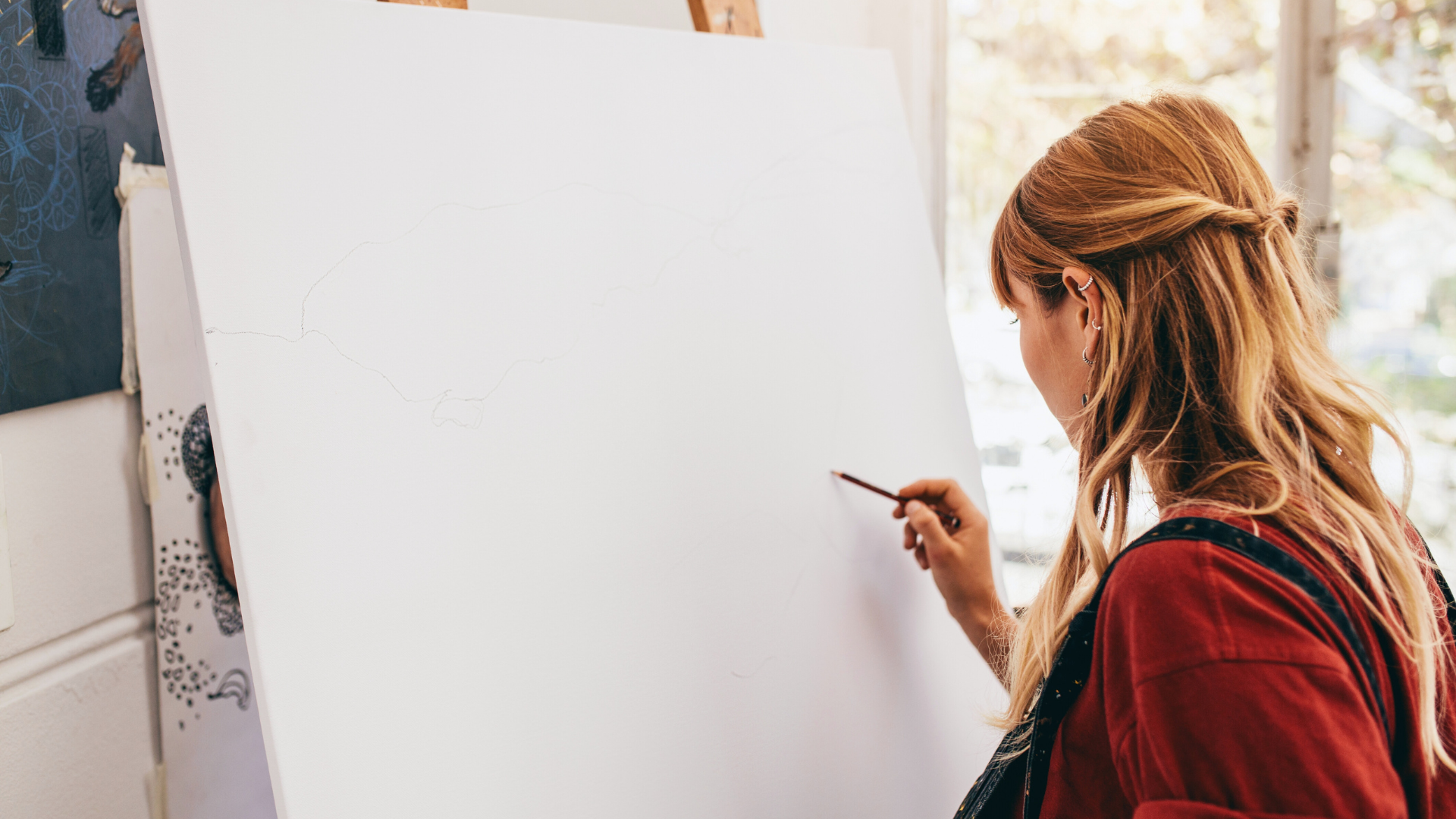
New artists often face numerous challenges as they navigate their creative journeys. Understanding common mistakes can help them avoid pitfalls that hinder their growth and artistic expression. Whether it’s neglecting to establish a unique style or failing to network effectively, these missteps can have lasting impacts.
Many newcomers underestimate the importance of feedback and critique. While it might be difficult to accept suggestions, constructive criticism is essential for improvement and self-discovery. Another prevalent error is setting unrealistic expectations, which can lead to frustration and burnout.
Time management also poses a significant challenge. Artists may struggle to balance their creative pursuits with other responsibilities, leading to inconsistent output and motivation. Recognizing these mistakes early can place new artists on a path toward greater success and fulfillment in their craft.
Understanding the Artistic Process
Many new artists miss critical aspects of their artistic journey. Recognizing the importance of foundational concepts and the fundamental techniques can significantly enhance their creativity and skill.
Overlooking the Basics
New artists often focus on advanced techniques before mastering the basics. This oversight can lead to gaps in their overall skill set. For example, neglecting color theory, composition, and perspective can result in artwork that feels unbalanced or flat.
To build a strong artistic foundation, artists should spend time practicing essential skills. Engaging in exercises such as sketching from life and studying different mediums can enhance their understanding.
Tips for Mastering the Basics:
- Practice drawing simple shapes.
- Experiment with color mixing.
- Analyze famous artworks for compositional techniques.
Developing a routine that includes these basics helps solidify skills and promotes further growth.
Neglecting Artistic Fundamentals
Many emerging artists underestimate the value of artistic fundamentals, like line quality, shading, and texture. These elements provide depth and dimension to a piece. Ignoring them can lead to artwork that lacks interest and fails to communicate effectively.
Artists should integrate fundamental techniques into their practice. Focusing on line weight can create more dynamic images.
Key Fundamental Techniques:
- Line Quality: Vary thickness for emphasis.
- Shading: Use light and shadow to provide form.
- Texture: Experiment with different materials to enhance realism.
By diligently practicing these fundamentals, new artists can create more compelling and visually engaging pieces.
Technical Pitfalls in Art Creation
New artists often face specific technical issues that can hinder their progress. Among these challenges are the mishandling of colors and inadequate tools and materials. Addressing these common mistakes is essential for improving overall skill and effectiveness in art creation.
Mishandling of Colors
Many new artists struggle with color theory, leading to poor color combinations and muddy palettes. They may apply colors without understanding their relationships, resulting in artworks that lack harmony.
Key concepts to consider include:
- Color Wheel: Grasp the basics of primary, secondary, and tertiary colors to create balanced palettes.
- Warm vs. Cool Colors: Learn to differentiate and apply these effectively to evoke specific emotions or atmospheres.
- Mixing Techniques: Experiment with color mixing ratios to achieve desired hues without creating dull shades.
By investing time in understanding color theory, artists can enhance their work significantly.
Inadequate Tools and Materials Usage
Using the wrong or low-quality materials can severely limit an artist’s potential. New artists often opt for inexpensive tools, thinking they can improve later. This choice can lead to frustration and subpar results.
Considerations for better outcomes:
- Brush Quality: Choose brushes suitable for the medium; synthetic for acrylics, natural for oils.
- Surface Selection: Understand the differences between paper types, canvas textures, and their effects on final works.
- Paint Types: Familiarize with various paint types, such as watercolor, gouache, and acrylic. Knowing their properties aids in making informed choices.
Investing in quality materials from the outset can greatly improve the artistic experience and final results.
Mindset and Personal Development
A healthy mindset and commitment to personal development are crucial for artists at the beginning of their careers. Addressing practice habits and the balance of self-criticism with motivation can significantly impact growth.
Underestimating the Importance of Practice
New artists often think talent alone will lead to success. This mindset can hinder their progress. Consistent practice is essential for skill development.
Key aspects of effective practice include:
- Setting specific goals
- Allocating regular time for artistic activities
- Seeking feedback from peers
Artists should also experiment with different styles and mediums. This exploration helps enhance creativity. By prioritizing practice, artists build a stronger foundation for their craft and encourage continuous improvement.
Struggling with Self-criticism and Motivation
Self-criticism can plague new artists, leading to doubt and fear of failure. This negative self-talk impedes their ability to create freely. Balancing self-assessment with encouragement is vital.
To cultivate motivation, artists can:
- Establish a routine that incorporates breaks and rewards
- Surround themselves with supportive peers
- Celebrate small achievements
Mindfulness techniques and positive affirmations can also help combat self-doubt. By focusing on progress rather than perfection, artists can maintain motivation and enjoy the creative process more fully.
